

light up full length mirror
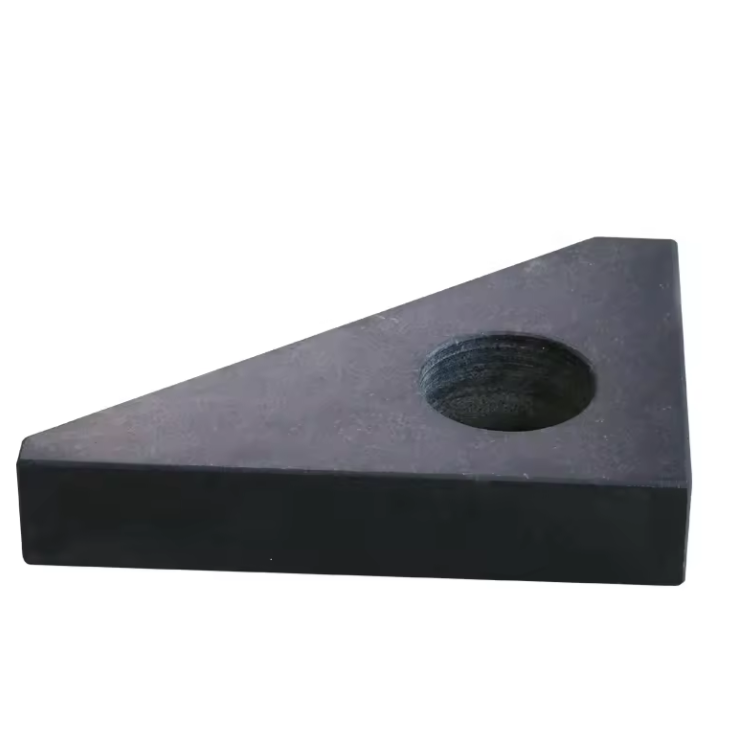
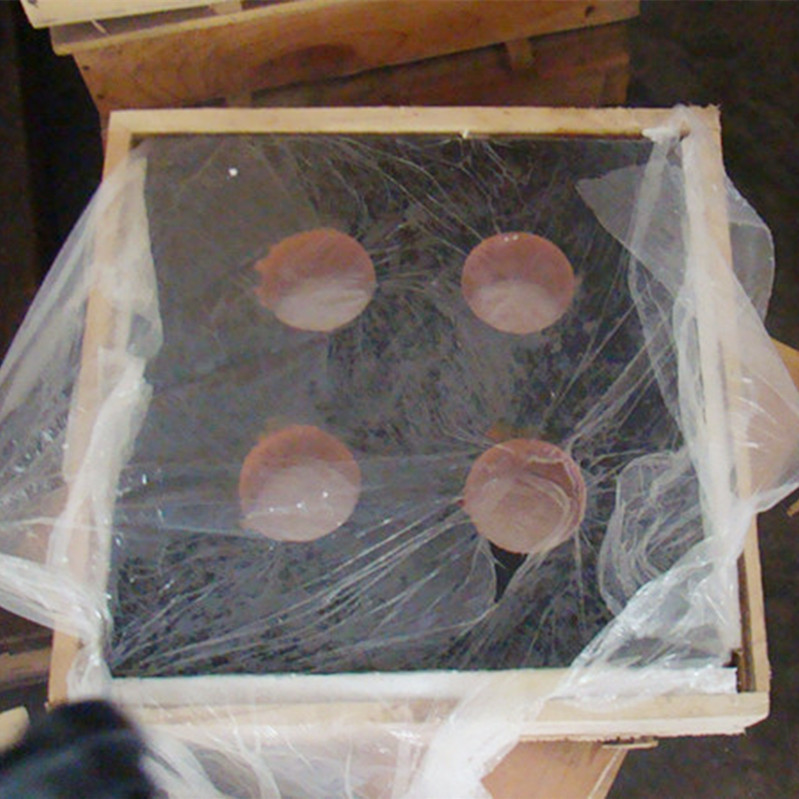
The Importance of Large Granite Surface Plates in Precision Measurement In the realm of manufacturing and engineering, precision is paramount. Whether it’s in the crafting of intricate components or the assembly of complex systems, the accuracy of measurements directly influences the overall quality and efficacy of the end product. One essential tool that has gained prominence in ensuring precision is the large granite surface plate. This article delves into the characteristics, uses, and benefits of large granite surface plates in various industrial applications. What is a Granite Surface Plate? A granite surface plate is a flat, solid slab made from fine-grained granite, designed to provide a stable and accurate surface for measuring, marking, and inspecting workpieces. The material's unique properties—such as rigidity, stability, and resistance to wear—make granite an ideal choice for creating a surface plate. Large granite surface plates typically measure several feet in length and width, allowing for the placement of sizeable components and machinery. Characteristics of Large Granite Surface Plates 1. Flatness and Accuracy The most significant attribute of a granite surface plate is its exceptional flatness. These plates are usually manufactured to meet stringent tolerances, ensuring a measurement accuracy that is crucial for high-precision tasks. 2. Durability Granite is a robust material that can withstand the rigors of workshop environments. It is highly resistant to scratches, dents, and thermal expansion, which helps maintain its flatness over time. 3. Non-Absorbent Unlike wooden or metal surfaces, granite doesn't absorb liquids, oils, or other contaminants. This property is vital for ensuring the integrity of measurements and reducing the risk of errors caused by environmental factors. 4. Stability Granite’s natural stability minimizes the effects of temperature fluctuations. It remains inert under varying conditions, making it reliable for precision tasks. Applications of Large Granite Surface Plates Large granite surface plates find application in various fields, including large granite surface plate 1. Manufacturing They are often utilized in machining and fabrication plants for measuring and inspecting finished products and components, ensuring they meet the required specifications. 2. Quality Control In quality assurance departments, granite surface plates serve as the standard reference for measuring instruments. Technicians can assess the accuracy of calipers, gauges, and other tools by comparing them against the flat surface. 3. Tool Calibration Granite surface plates play a critical role in the calibration of tools and machines, ensuring they operate within acceptable parameters and produce accurate results. 4. Research and Development In laboratories and research facilities, large granite surface plates are employed for precise measurements and experiments, especially in fields such as metrology and materials testing. Benefits of Using Large Granite Surface Plates 1. Increased Accuracy The inherent flatness and stability of granite surface plates contribute to more accurate measurements, ultimately leading to improved product quality and consistency. 2. Cost-Effectiveness While the initial investment in a granite surface plate may be substantial, its durability and longevity mean that it often results in significant savings over time. Reduced wear and tear on measuring equipment also contribute to lower maintenance costs. 3. Versatility Large granite surface plates can accommodate a wide range of applications, making them integral to various industrial workflows. Their adaptability means they can be utilized in different settings, including workshops, laboratories, and quality control departments. 4. Ease of Use The smooth, non-porous surface of granite makes it easy to maintain and clean, ensuring that it remains a reliable measuring standard without the complications associated with other materials. Conclusion In conclusion, large granite surface plates are invaluable tools in the pursuit of precision in manufacturing and engineering. Their unique properties, versatility, and long-term cost-effectiveness make them a staple in various industrial applications. As technology continues to advance, the importance of maintaining high standards of accuracy will only grow, solidifying the role of granite surface plates in ensuring the success and quality of modern manufacturing processes. Investing in a large granite surface plate is, therefore, not merely a choice but a strategic decision for quality-oriented businesses.
about
light up full length mirror
Understanding the Factors Influencing 12% Gate Valve Prices Gate valves are essential components in various industrial applications, providing reliable performance for controlling fluid flow in pipelines. With a variety of designs and specifications available, determining the price of a 12% gate valve can be complex. This article delves into the factors influencing the pricing of these valves, providing insights into how buyers can approach their purchasing decisions. 1. Material Composition The first and foremost factor affecting the price of a gate valve is the material used in its construction. Common materials include cast iron, stainless steel, and bronze. Stainless steel, while generally more expensive, offers superior corrosion resistance and durability, making it ideal for harsh environments. Cast iron, on the other hand, is more cost-effective and is suitable for less demanding applications. The choice of material directly impacts both the initial cost and the long-term value of the valve. Understanding the Factors Influencing 12% Gate Valve Prices 3. Pressure and Temperature Ratings Gate valves are rated for specific pressure and temperature ranges, and these ratings will significantly influence their cost. Valves designed to withstand high pressures and extreme temperatures typically feature more robust construction and advanced materials, leading to higher prices. Buyers should consider both the operational requirements and the cost implications when selecting valves for their applications. 12 gate valve price 4. Size and Flow Capacity The size of the gate valve is another critical factor in determining its price. Generally, larger valves require more material and more elaborate manufacturing processes, resulting in higher costs. Additionally, the flow capacity, which relates directly to the size and internal design of the valve, can also impact pricing. Buyers should evaluate their needs carefully to select appropriately sized valves without incurring unnecessary costs. 5. Manufacturing Standards and Certifications Valves must meet specific industry standards and certifications, such as American National Standards Institute (ANSI) or International Organization for Standardization (ISO) standards. Valves that adhere to these rigorous standards often come at a premium due to the additional quality assurance and testing required. Investing in certified products can reduce maintenance costs and improve system reliability in the long run. 6. Market Demand and Supply Economic conditions, supply chain disruptions, and changes in demand significantly impact the pricing of gate valves. For instance, during periods of heightened industrial activity, demand for gate valves may outstrip supply, leading to increased prices. Conversely, during economic downturns or when there is an oversupply of components, prices may decrease. Buyers should stay informed about market trends to make timely and cost-effective purchasing decisions. 7. Manufacturer Reputation and Warranty The reputation of the manufacturer can also play a central role in the pricing of gate valves. Established manufacturers with a track record of producing high-quality, reliable products may command higher prices, but they often provide enhanced warranty terms and customer support. When considering price, it is crucial to evaluate the overall value offered by the manufacturer, including after-sales service and the reliability of their products. 8. Conclusion In conclusion, the price of a 12% gate valve is influenced by a myriad of factors including material composition, design, pressure ratings, size, manufacturing standards, market demand, and manufacturer reputation. It is crucial for buyers to thoroughly assess their specific application requirements and budget constraints in order to make informed purchasing decisions. By understanding these factors, customers can ensure they invest in the right gate valve that not only meets their operational needs but also offers a good return on investment over time. As industries continue to evolve, staying abreast of price trends and technological advancements in valve manufacturing will be essential for maintaining efficient and cost-effective operations.
-

High quality industrial productsagement

High quality industrial products
View Details -

Meet the diverse needs of customers

Meet the diverse needs of customers
View Details -

Strict quality control

Strict quality control
View Details -

Top raw materials

Top raw materials
View Details -

Trusted supplier

Trusted supplier
View Details
Our application
news and information
Water Hose Shutoff Valve for Easy Control and Efficient Watering Solutions
The Importance of a Water Hose Shut-Off Valve A Garden Essential In the world of gardening and outdo

Wholesale Level Insights for Effective Business Strategies and Market Growth
Understanding Level Wholesale A Comprehensive Overview In the ever-evolving landscape of retail and
Válvula de esfera de 15 mm para aplicações industriais e residenciais
Válvula Globo de 15 mm Uma Solução Eficiente para o Controle de Fluxo As válvulas globos são compone
 English